Utah online marriages have a solid track record in U.S. immigration cases, and the certificate is a standard state-issued marriage certificate. There’s one rule long-distance couples need to know, and the good news is it’s a condition you control: if you married while in different places, U.S. law counts the marriage for immigration only once it’s been consummated, meaning you’ve been together in person as a married couple after the wedding and before you file. Couples who were in the same room for their video ceremony aren’t touched by it at all.
We’re a ceremony provider, not an immigration firm, so this article stays in its lane: what the rule is, who it applies to, and where to get real advice. It’s short on purpose. The internet has plenty of thousand-word tours of visa law written by people who won’t be there when your petition is reviewed.
The rule, plainly
U.S. immigration law has a specific provision for marriages where the couple wasn’t in each other’s physical presence at the ceremony. Such a marriage counts as a marriage for immigration purposes only if it has been consummated afterward. Immigration lawyers apply this to Utah video ceremonies where the partners joined from different locations: the marriage is fully valid under Utah law from day one, and it becomes usable for a U.S. immigration petition once the couple has been together in person after the wedding and before filing.
That’s the core of it. It isn’t a trap; it’s a sequencing requirement. Marry, be together, then file. The details of how it applies to your case are a conversation for an attorney, which is the point of the sections below.
Who it doesn’t apply to
If you and your partner sit in the same room while a Utah officiant marries you over video, you were in each other’s physical presence at the ceremony. Under the usual reading of the law that isn’t a proxy marriage, and the condition above never comes into play. Plenty of our couples do exactly this because one of them needs a legal marriage faster than a courthouse appointment allows, not because they’re apart.
What the evidence looks like
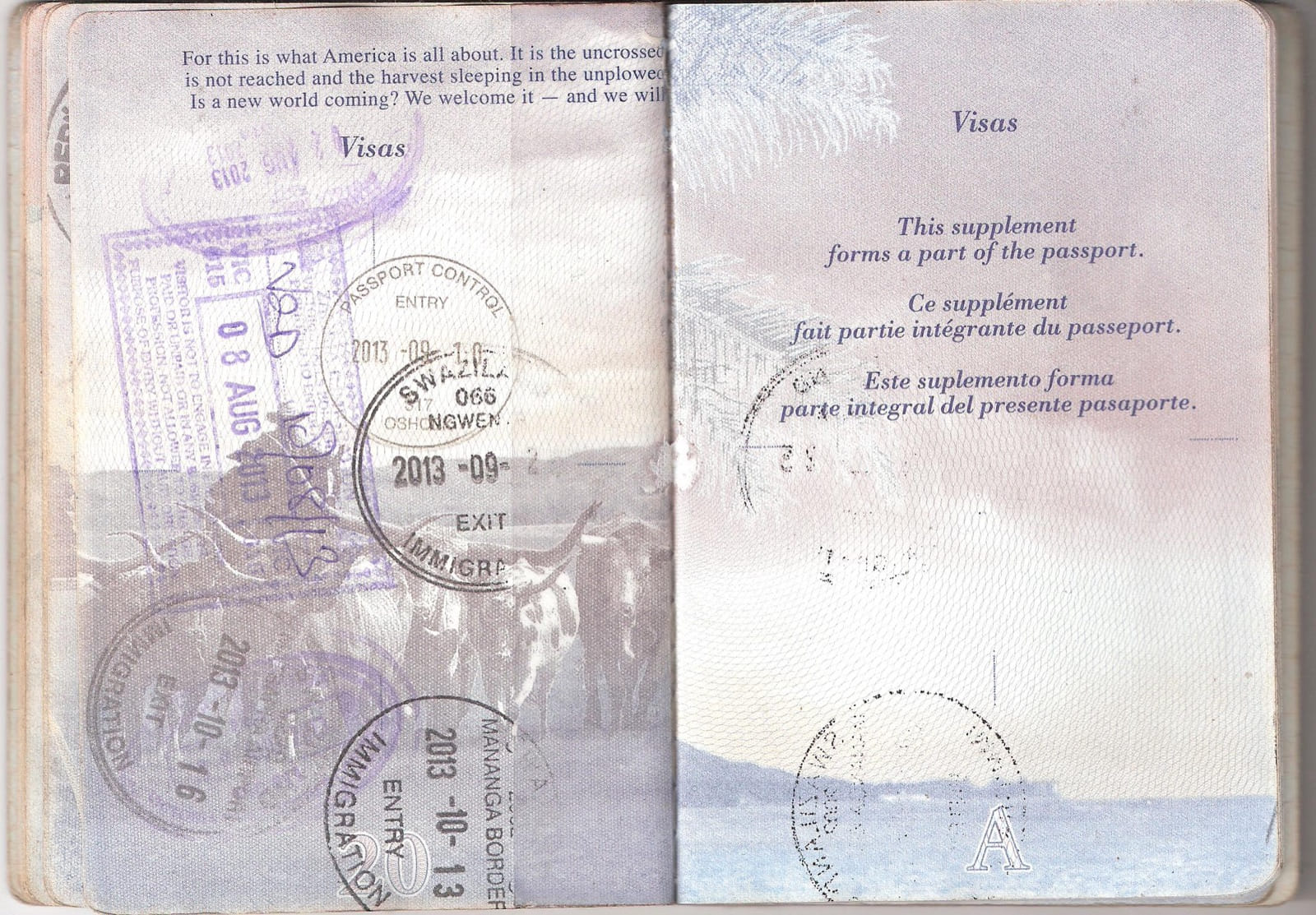
For couples who did marry apart, the eventual petition includes ordinary proof of the reunion: flight records, passport stamps, lodging with both names, photos with dates. Nothing exotic. What matters is that the time together happened after the wedding and before filing, and that it looks like what it is, a married couple being together. An immigration attorney will tell you what a strong file looks like for your case, and that conversation is worth having before you book anything, including with us.
Outside the U.S.
Recognition and immigration rules abroad are each country’s own. Two examples we’ve written about in depth: the Philippines treats a Utah marriage as a foreign marriage with its own registration process and open questions, and Israel registers Utah marriages under a court ruling. The UK sits somewhere between the two: it recognizes marriages valid where celebrated and has no foreign-marriage registration at all, but its immigration side asks its own questions, which we cover in the guide for UK couples. Canada is a useful caution in the other direction: its immigration authority has a documented policy of refusing spousal sponsorship for marriages where either partner wasn’t physically present at the ceremony, with a narrow exception for members of the armed forces. If another country’s immigration system is part of your plan, check its current policy with a professional there before deciding how to marry.
The honest bottom line
Our ceremony produces a legal U.S. marriage with a state-issued certificate, and thousands of couples have taken that certificate into immigration processes. Whether yours will do what you need depends on facts we can’t see from here. Ask an immigration attorney (immigration lawyer Gary Chodorow’s analysis of Utah virtual marriages is a thorough place to start reading), bring them this article if it helps, and when you’re ready, we’ll handle the wedding part well.